
Why Businesses Use H2B Visa Workers
When the season grows, the local workforce does not always grow with it. Customers still expect routes completed and contracts still carry deadlines. For many seasonal businesses, labor becomes the ceiling on production, revenue and growth.
H-2B gives eligible employers a structured way to plan temporary labor after completing required recruitment for U.S. workers.
Why employers turn to H-2B01 · Reliable seasonal labor
The day should not
start with a text message.
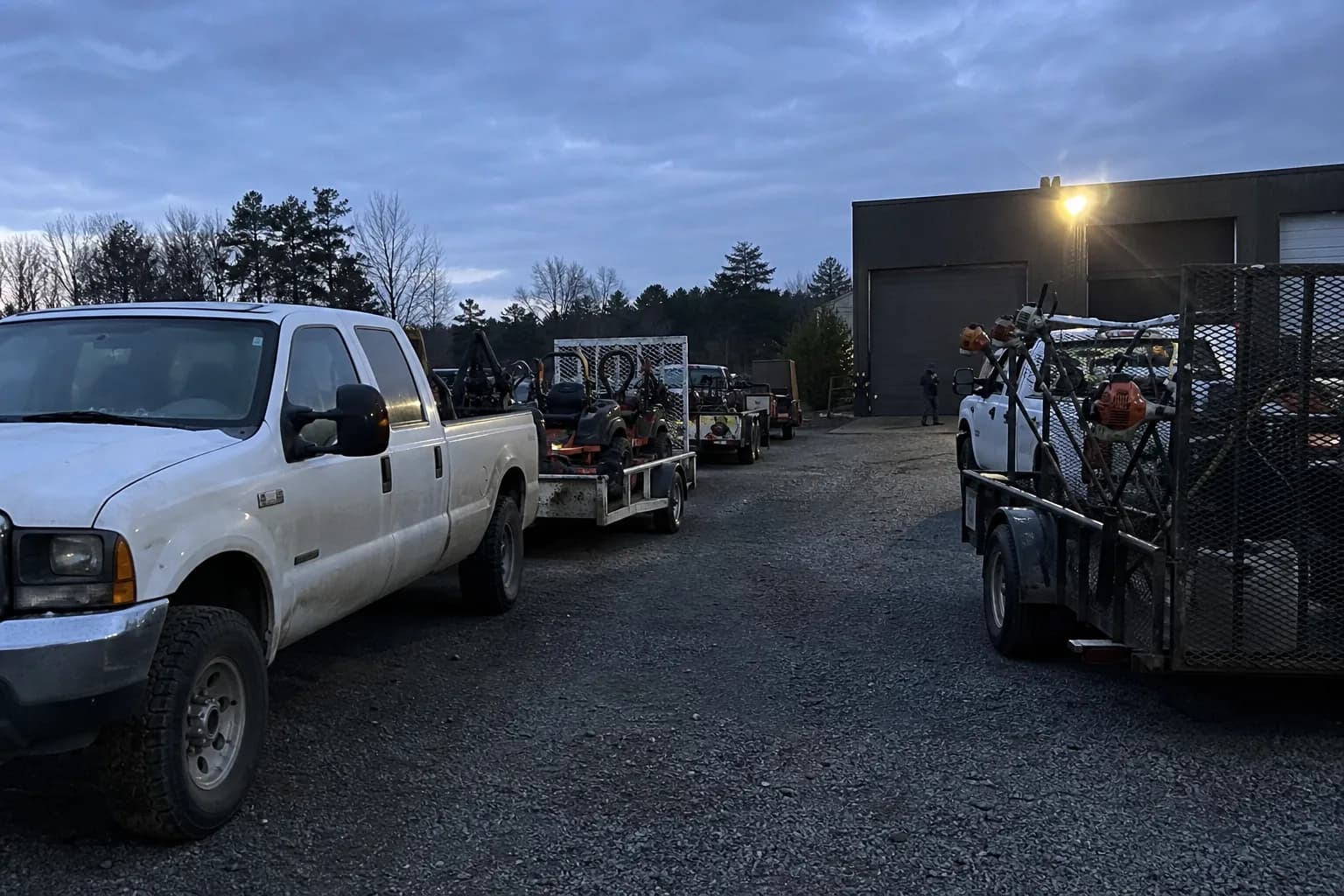
Before the coffee is poured, you are already checking your phone.
Someone is sick. Someone needs a ride. Someone simply did not answer. Routes have to be rearranged, a foreman loses a crew member, and the owner starts the day solving a staffing emergency instead of running the company.
76% of surveyed landscape companies reported having at least one open position.
This is bigger than one bad week of hiring. Seasonal employers across the industry are struggling to find enough people when demand is highest.
The shiftPlan the temporary workforce before the work arrives, instead of rebuilding the schedule every morning.
02 · Less turnover
How many times can you
train the same position?
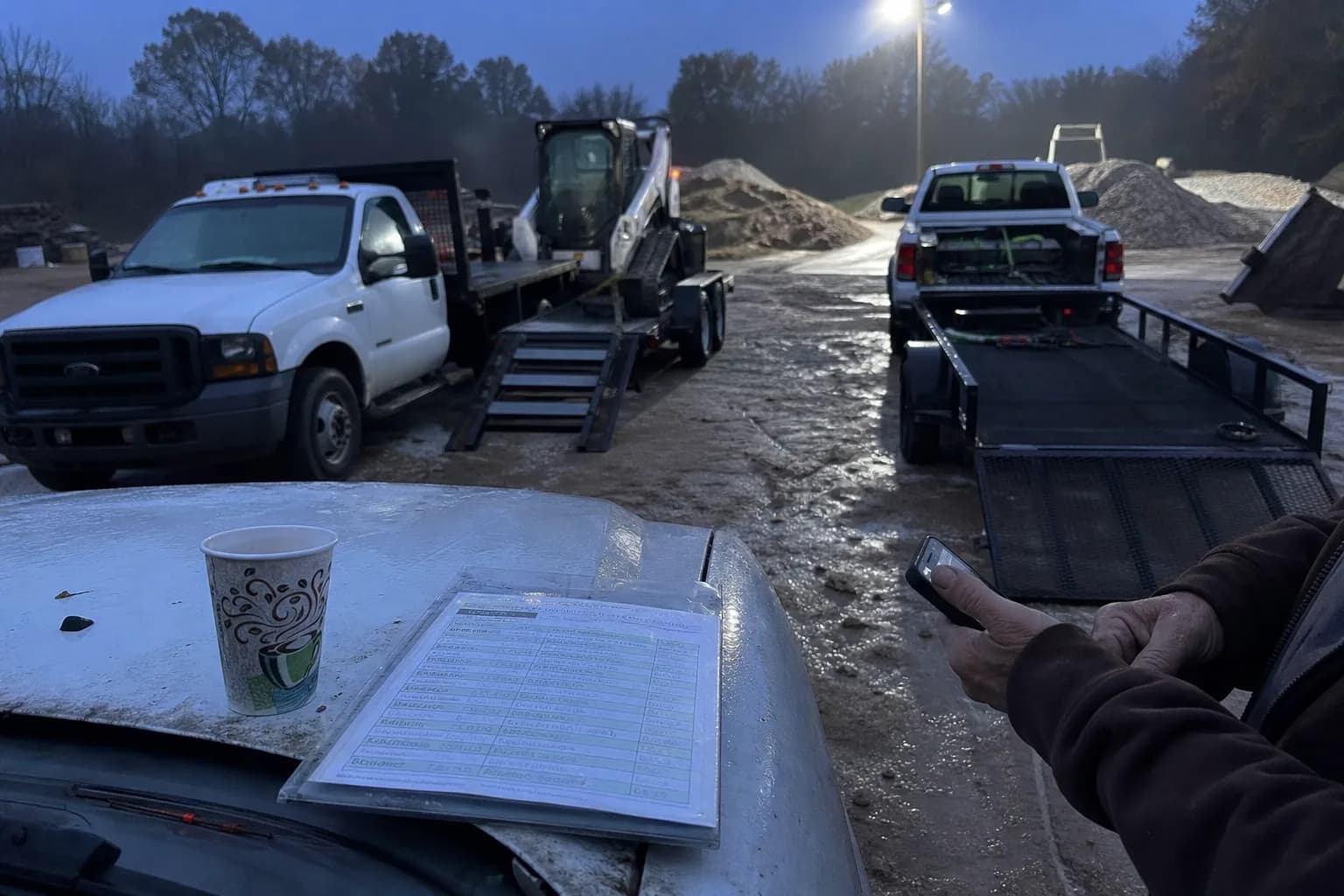
You post the job. Conduct the interview. Buy the PPE. Complete the paperwork. Then place the new hire beside one of your best people.
A few days later, the position is empty again.
The money hurts. But the harder part is watching your experienced crew absorb another absence while the hiring process resets to zero.
45% of surveyed landscape companies had at least one employee poached during the previous year.
The shiftCreate more workforce visibility through defined job dates, duties, wages and working conditions, with the possibility of developing experienced returning crews over multiple seasons.
03 · Protect the people who stay
Your best people cannot
carry every empty seat.
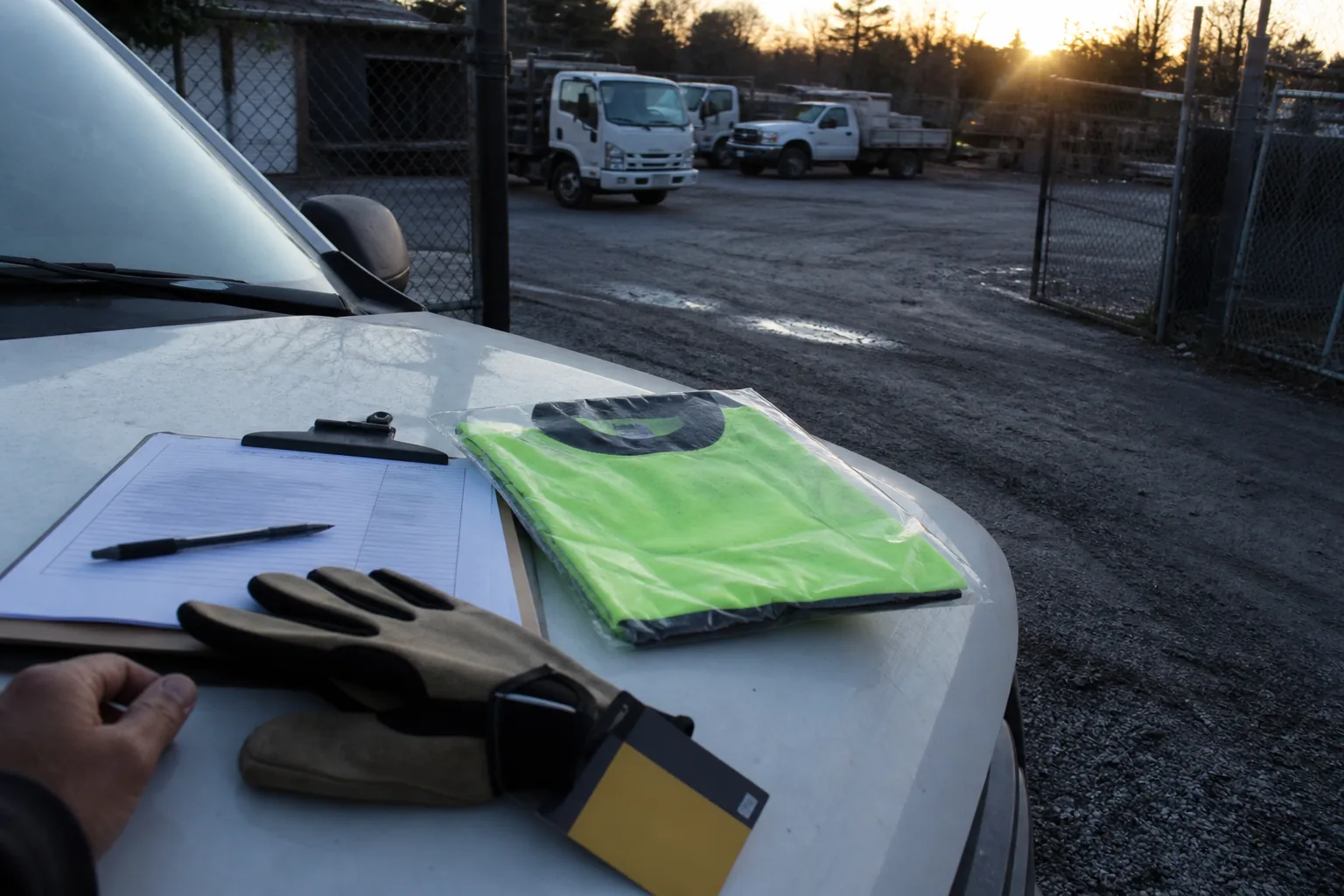
When hiring falls short, the reliable employees pay for it.
Their days become longer. Their routes become heavier. They train another new person while still being expected to hit the same deadlines.
Eventually, the people you trust most begin carrying the weight of everyone who did not show up.
The shiftPlanned seasonal capacity can distribute the workload more evenly, protect the year-round team and let foremen lead production instead of repeatedly restarting training.

04 · Predictable capacity
A full calendar means
nothing without a full crew.
Work on the schedule should feel like revenue.
But when staffing is uncertain, every signed contract carries a second question: Do we actually have enough people to complete it?
Businesses assigned early access through the randomized 2020 H-2B lottery experienced 24% higher payroll and 6% higher revenue than comparable later-assigned applicants.
The study took place during the unusual conditions of 2020. It is evidence of an observed result, not a promised outcome for any employer.
The shiftSchedule around planned capacity instead of hoping enough workers appear after the contracts are signed.

05 · Confidence to scale
A big opportunity should
not make your stomach drop.
A commercial contract comes up for bid. A new development needs service. A major project lands in your inbox.
You have the equipment. You understand the work. You know the opportunity could change the company. But you hesitate because you cannot confidently staff it.
Research using the randomized 2021 and 2022 H-2B lotteries found that firms permitted to hire additional workers produced more, increased profits and reinvested more, with revenue rising approximately 12% to 14%.
The shiftChange the question from “Can we find enough people?” to “Is this the right opportunity for the business?”


Plan before the season
Your busiest months should not be left to chance.
FirstCrew organizes the H-2B process from the first employer review through worker arrival, giving you one clear plan for the dates, documents and decisions ahead.
The responsibility
H-2B is not a shortcut around U.S. workers.
Employers must complete required recruitment and hire qualified and eligible U.S. workers. H-2B workers and workers in corresponding employment must receive required wages and employment protections.
Workers retain workplace rights, including protection from unlawful retaliation, and may separate before a job order ends. The program improves planning visibility; it does not lock anyone into a job.

Evidence behind the page
Sources & notes
- U.S. Department of Labor — H-2B recruiting requirements
- Granum / LMN — 2024 State of the Landscape Labor Market summary
- W.E. Upjohn Institute — 2020 H-2B lottery research highlight
- Congressional Research Service — review of H-2B economic studies
- Peterson Institute for International Economics — 2021–2022 lottery findings
- PIIE working paper — randomized H-2B lottery research
- U.S. Department of Labor — general H-2B requirements
- U.S. Department of Labor — H-2B wage requirements
- U.S. Department of Labor — H-2B anti-retaliation protections